Tensor Foundations
Shape intuition, broadcasting, autograd mechanics, and memory layout. You learn to read error messages and trace gradients by hand before trusting the framework.
Craft neural networks with your hands — structured labs from first tensor to production-ready AI skills.
Enter the craft lab catalogue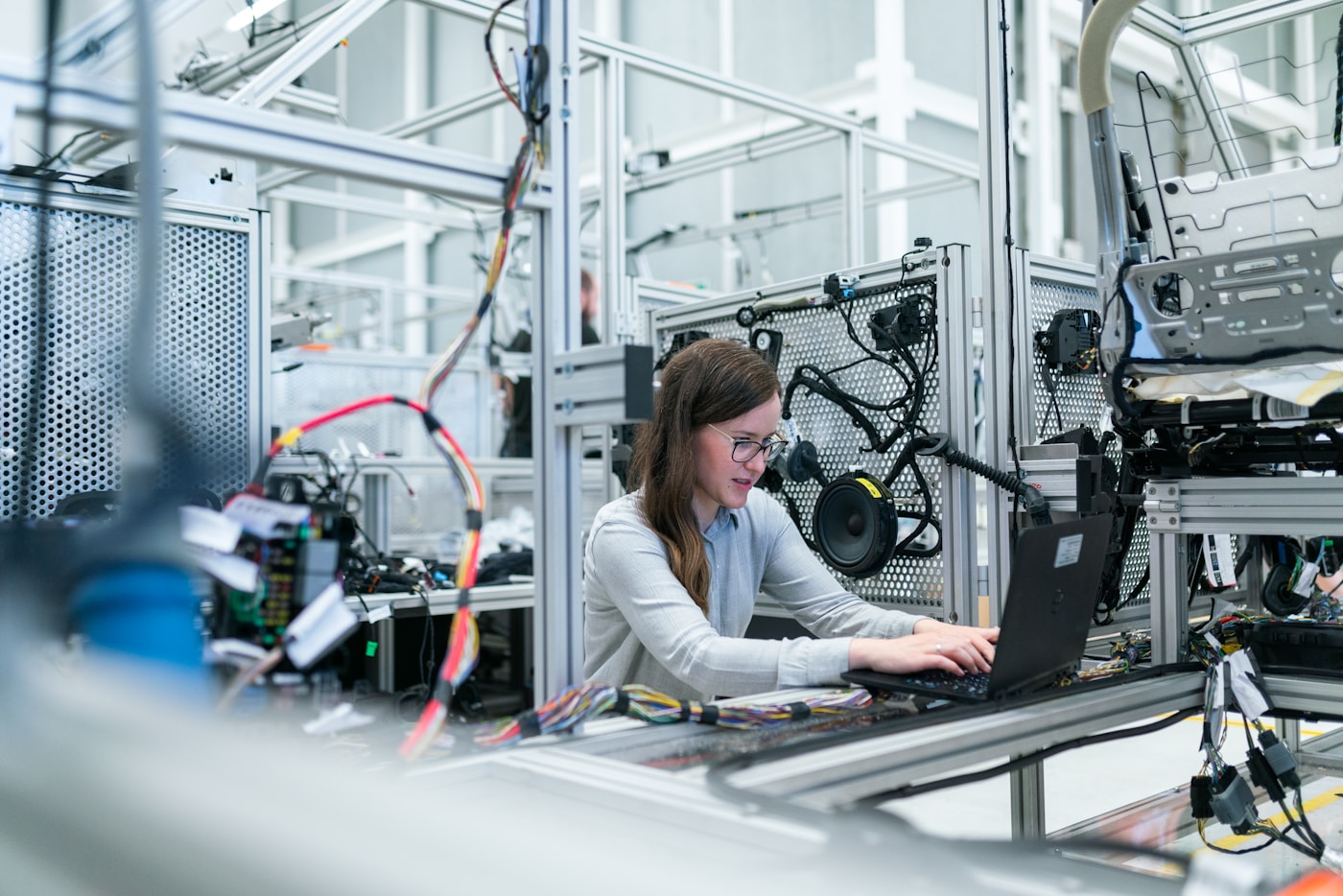
NeuralCraftLab exists because the gap between watching AI tutorials and shipping real models is enormous. We built a dedicated craft lab on King Street West where practitioners learn by doing — wiring architectures on whiteboards, debugging tensors at the bench, and iterating through capstone projects under instructor guidance. Every session is designed around deliberate practice, not passive slides.
Established at our King Street West campus in 2026, NeuralCraftLab serves career changers, software engineers upskilling into machine learning, and product teams who need their people to understand what happens beneath the API call. We believe neural networks are craft objects: they require tools, materials, technique, and repeated refinement. Our lab culture rewards curiosity, documentation, and peer review — the same habits that distinguish hobbyists from production engineers.
Whether you arrive knowing only Python basics or you have shipped models before but never trained one from scratch, our structured pathways meet you where you are. We do not promise overnight expertise. We promise a rigorous, supportive environment where every hour at the bench moves you closer to confident, employable AI skills grounded in Canadian professional standards.
Transparent numbers from our current training year. Updated 1 July 2026.
Six interconnected craft areas form the backbone of every NeuralCraftLab programme. Mastery in one reinforces the others.
Shape intuition, broadcasting, autograd mechanics, and memory layout. You learn to read error messages and trace gradients by hand before trusting the framework.

From perceptrons to transformers, you sketch layers on the whiteboard, justify design choices, and implement minimal versions before reaching for pretrained weights.

Loss curves, learning rate schedules, regularisation, and checkpoint discipline. We treat training as a reproducible experiment, not a lucky guess.
Every workstation runs a standardised environment so you spend time learning concepts, not fighting dependency conflicts. Our 2026 stack reflects what Toronto employers actually use.
Students receive a private lab repository on day one. Commits are reviewed weekly. By programme end, your GitHub profile shows a portfolio of documented experiments — not copy-pasted notebooks.
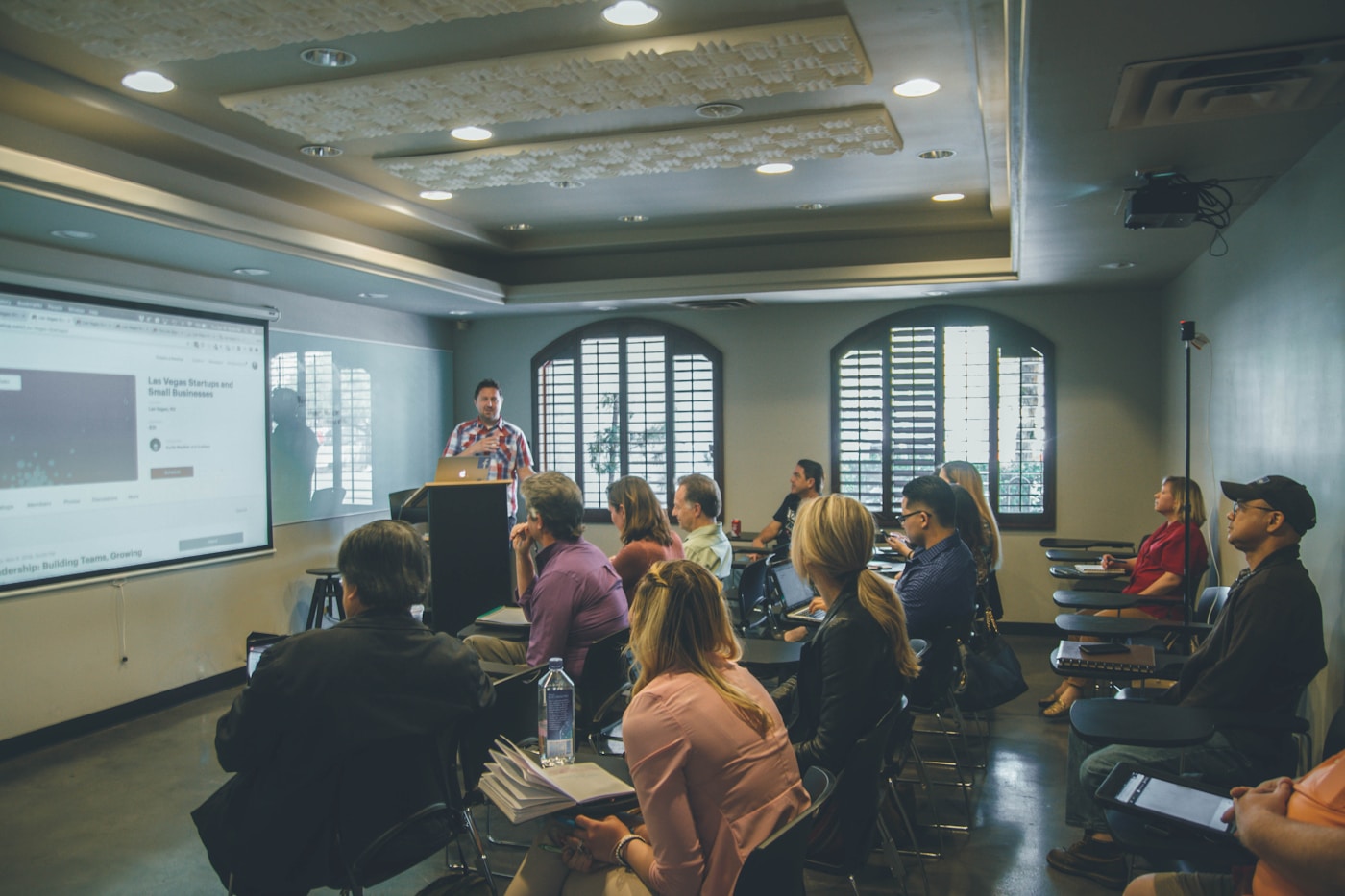
Our forge room is the heart of NeuralCraftLab — twelve GPU workstations arranged for pair programming, a central projection wall for live architecture reviews, and breakout tables for whiteboard sessions. Here you iterate through the messy middle of model development: data leaks discovered at 10 p.m., batch norm layers that refuse to converge, and breakthrough moments when a validation metric finally ticks upward.
Instructors circulate during forge blocks rather than lecturing from the front. You raise a hand, share your screen, and get targeted feedback in minutes. This is deliberate craft instruction — the same model used in fine woodworking studios and surgical training programmes, adapted for deep learning.

Common questions from prospective students. Visit our full FAQ for detailed responses.
No. Most NCL-001 entrants have six months of Python experience and basic algebra. We assess readiness with a short skills check, not credentials. Engineers, analysts, designers, and career changers all succeed when they commit to the lab hours.
Core lab blocks are in-person at our King Street West campus. Selected review sessions and corporate modules offer hybrid attendance. The hands-on forge experience requires physical presence — that is non-negotiable for craft training.
All lab hours, GPU access, course materials, instructor feedback, capstone review, and a certificate of completion. Tuition does not include personal hardware, cloud credits beyond lab allocation, or third-party certification exam fees.
Browse six structured programmes from tensor basics to transformer deployment. New 2026 cohorts open monthly at our Toronto campus.
Enter the craft lab catalogueNeuralCraftLab is a private vocational training provider. Our programmes are designed for professional development and do not constitute a university degree, professional engineering licence, or regulated credential. Completion does not guarantee employment. See our Terms of Service for full details.